

Installing a new asphalt driveway is a big step toward improving your property’s functionality and curb appeal. But before you can enjoy a smooth, durable surface, you’ll need to make sure the site is properly prepared — and in places like Hillsborough County, that means planning around terrain, weather, and local requirements.
At Twin State Paving, we’ve helped hundreds of homeowners create beautiful, long-lasting asphalt driveways Hillsborough County, and we know that proper prep makes all the difference. If you want to get the most value out of your investment, here’s a complete guide to preparing your property for your upcoming paving project.
Why Preparation Matters
Asphalt driveways are known for their strength, flexibility, and longevity — but only when they’re built on a solid foundation. Without proper grading, base compaction, and drainage planning, even the highest-quality asphalt won’t hold up.
Here’s what proper preparation does:
- Prevents water pooling and erosion
- Reduces the risk of cracking and surface wear
- Ensures even weight distribution from vehicles
- Extends the lifespan of the driveway
- Helps the installation process go faster and smoother
Failing to prep properly can lead to early deterioration and expensive repairs. The good news? With the right steps, you can avoid all of that.
Step One: Clear and Clean the Driveway Area
Before any construction begins, the entire work zone needs to be accessible. That means removing:
- All parked vehicles and trailers
- Outdoor furniture, planters, or equipment
- Yard waste, rocks, branches, and loose debris
- Overgrown shrubs or trees that may block equipment
If there’s an old driveway in place, your contractor may handle demolition, but it’s still helpful to clear the surrounding area. A clean site allows the crew to set up, excavate, and work more efficiently from day one.
Check for Permits or HOA Requirements
Depending on where you live in Hillsborough County, your driveway project may require permits — especially if it connects to a public road or changes your drainage pattern. Before breaking ground, check with your town or city’s public works department for:
- Residential driveway permits
- Setback or width regulations
- Drainage system guidelines
- Curb cut approvals (if widening your entrance)
If your home is in a neighborhood governed by a homeowners’ association, review any HOA rules related to materials, colors, or layouts. The last thing you want is to have your project delayed because of overlooked red tape.
Walk the Site and Assess the Ground
Once the area is cleared, walk the site to get a feel for its condition. Every property is different — and in Hillsborough County, that could mean anything from compacted clay to soft loamy soil or rocky slopes.
Here’s what to look for:
- Uneven surfaces or high/low points
- Water pooling after rain
- Tree roots or large rocks underground
- Soggy patches that suggest poor drainage
- Areas near retaining walls or tight spaces
These signs help your contractor plan the base design and excavation depth. If the site is unstable, they may recommend grading or soil replacement to support the new driveway.
Plan the Layout of the New Driveway
Now’s the time to make decisions about how the driveway will function. Are you replacing an existing driveway or expanding it? Do you need to add a turnaround, parking pad, or extra width for easier vehicle access?
Work with your contractor to:
- Finalize the shape, width, and length
- Identify any landscaping elements that need to move
- Confirm safe distances from structures or property lines
- Consider how water runoff will be redirected
For most homes, a standard driveway width is 10–12 feet for single lanes and 20–24 feet for double lanes. But every property is unique, so plan according to your lifestyle and lot layout.
Ensure Proper Drainage
Drainage might not be the most exciting part of a paving project — but it’s absolutely critical. Improper water flow is one of the top causes of asphalt failure. In Hillsborough County, seasonal rain and snowmelt can quickly damage a poorly graded driveway.
To protect your investment, make sure the plan includes:
- A consistent slope away from buildings
- No dips or low spots that collect water
- Runoff routes toward a swale, gutter, or drain
- Downspouts that don’t empty onto the driveway
In some cases, trench drains, French drains, or culverts may be added to move water efficiently. Your paving contractor will evaluate your lot and recommend the best drainage strategy.
Prepare the Base: The Key to Long-Term Performance
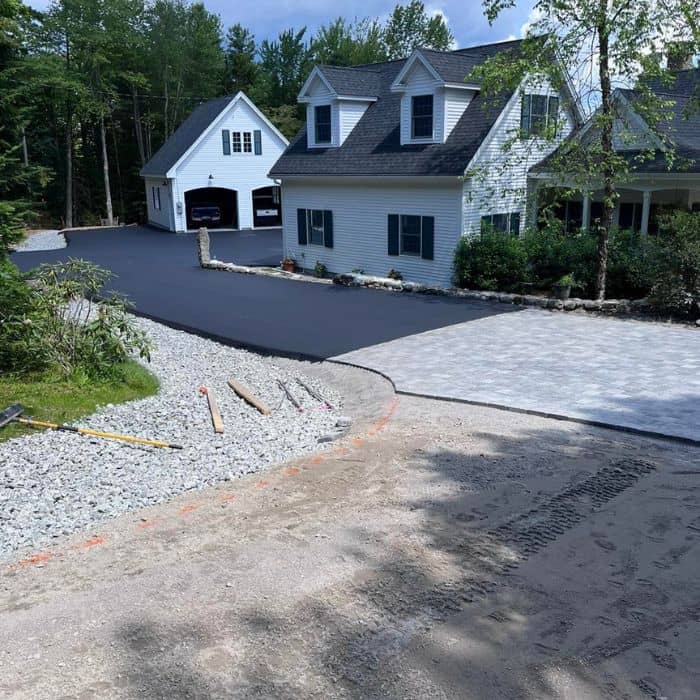
A strong base is the foundation of every durable asphalt driveway. Once excavation is complete, your contractor will lay down layers of crushed stone or gravel, compacting each layer for maximum strength.
Here’s what a good base should include:
- Excavation to remove soft soil and organic matter
- 6–12 inches of dense graded aggregate (depending on soil conditions)
- Mechanical compaction in multiple layers
- Optional geotextile fabric for added soil separation and stability
This base layer ensures the asphalt has even support and can flex without cracking under pressure. In areas with freeze-thaw cycles, a properly compacted base also prevents frost heave.
Identify and Mark Utilities
Before any digging happens, utility lines need to be located and marked. Hitting a water or gas line can delay your project — or cause serious damage.
Call 811 at least a few days before your project begins. This free service will identify:
- Water and sewer lines
- Gas lines
- Electrical and fiber optic cables
- Irrigation or sprinkler systems
Also, point out any septic tanks, leach fields, or shallow wells to your contractor so they can avoid disturbing those areas during construction.
Protect the Surrounding Property
Driveway work involves heavy equipment, so it’s smart to protect nearby features from accidental damage. Walk the perimeter with your contractor and identify:
- Garden beds or trees that need protection
- Delicate edging or decorative pavers
- Retaining walls or fencing
- Lawn irrigation systems or buried wires
Temporary barriers or plywood panels can be used to shield sensitive areas during the project. It’s also a good idea to notify neighbors if equipment will block shared access.
Talk Through the Timeline and Weather Conditions
Weather plays a major role in asphalt paving. Ideal conditions include dry weather and moderate temperatures, which are typically found during the late spring through early fall in Hillsborough County.
Before the project begins, discuss the timeline with your contractor:
- How long will excavation and prep take?
- When will asphalt be laid?
- How long before you can drive on it?
Rain can cause schedule changes, but your contractor will monitor the forecast and keep you updated. Proper curing and drying times are essential for surface integrity.
Final Checks Before Paving Day
Just before paving begins, do a final walkthrough. Confirm:
- Access to the site is still clear
- Utilities are marked
- All personal items are moved
- Everyone is on the same page about layout and scope
At this stage, your paving team will begin final grading, compact the base one more time, and prep for asphalt installation. Once the asphalt is poured, it will need time to cool and cure — typically 24–48 hours for light foot traffic, and 3–7 days before parking vehicles.
Trust the Experts in Paving Hillsborough County
Preparing your property for asphalt paving might seem like a lot of work — but with the right contractor, it’s a seamless process. At Twin State Paving, we bring years of local experience and a deep understanding of the unique demands that come with paving Hillsborough County properties.
We don’t just show up and pour asphalt. We take the time to inspect your site, customize a plan, and prep your land with precision — all to ensure the driveway you get today is still going strong years from now.
If you’re ready to improve your home’s value, appearance, and functionality with a new driveway, reach out to Twin State Paving. We’ll guide you through every step, from planning and permits to grading and final paving — and we’ll get it done right the first time.
Final Thoughts: Preparation Makes All the Difference
When it comes to asphalt driveways, what happens before the paving begins is just as important as the materials and techniques used during installation. Taking time to clear your property, evaluate the site, confirm drainage, and coordinate with your contractor lays the foundation for a smooth and durable result.
In Hillsborough County, where weather shifts and varied terrain can affect performance, preparation is the key to success. Partnering with an experienced team ensures every step — from planning to base compaction — is handled with care.
At Twin State Paving, we take pride in delivering expert paving Hillsborough County residents can rely on. If you’re ready to get started with a driveway that’s built to last, we’re here to help — from first consultation to final layer.