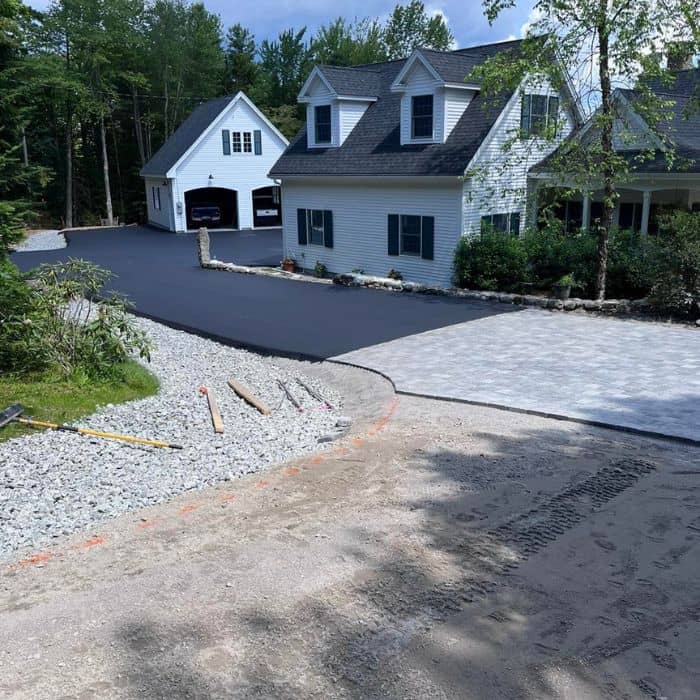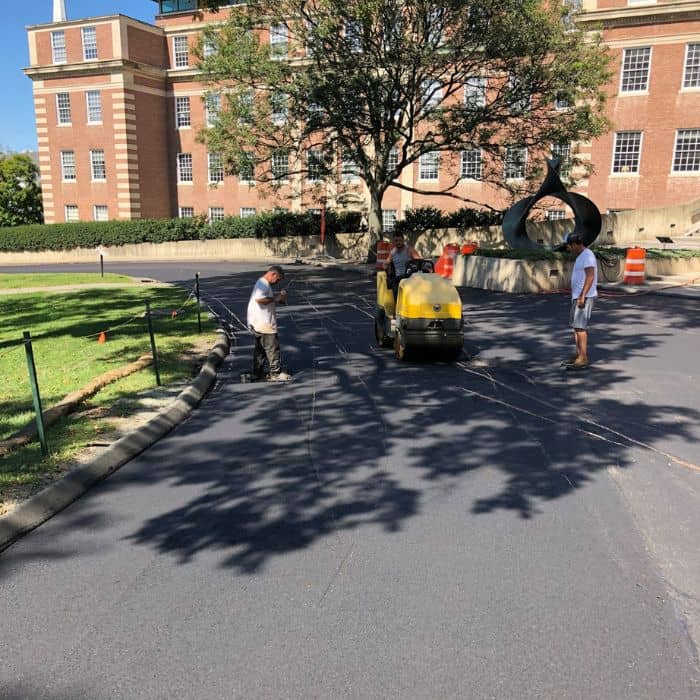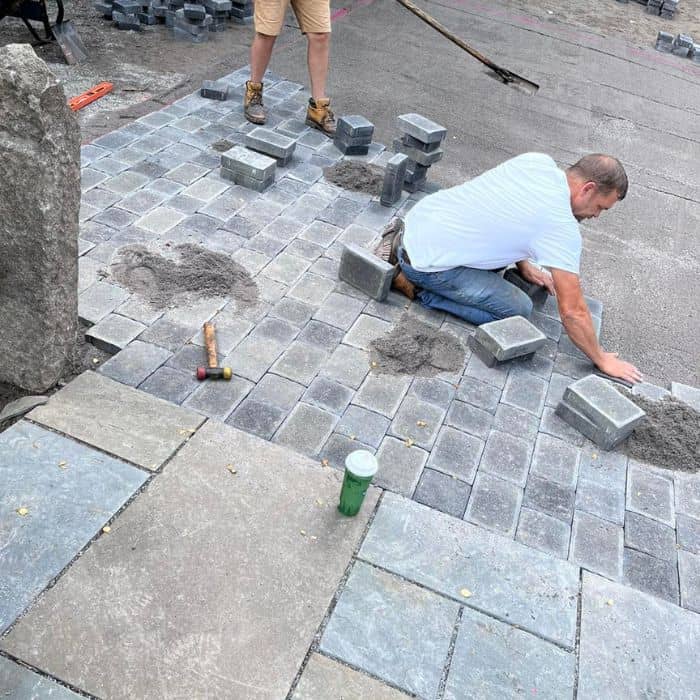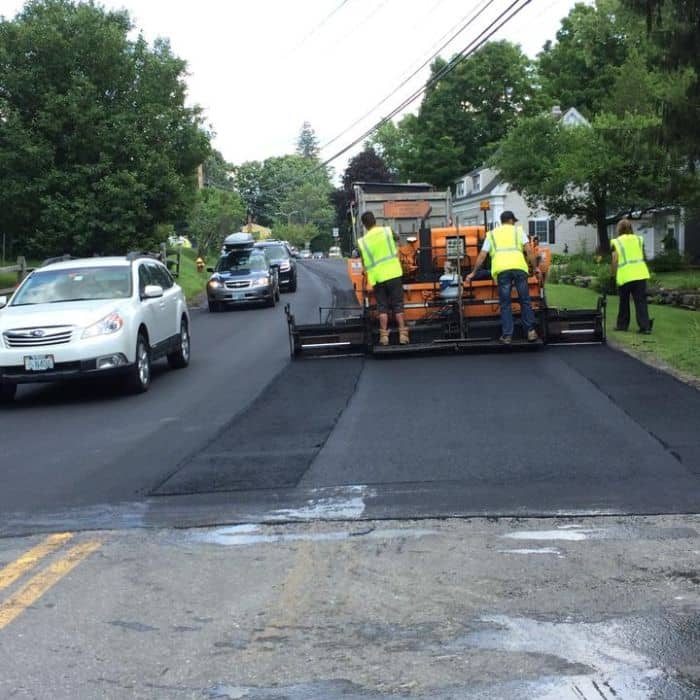

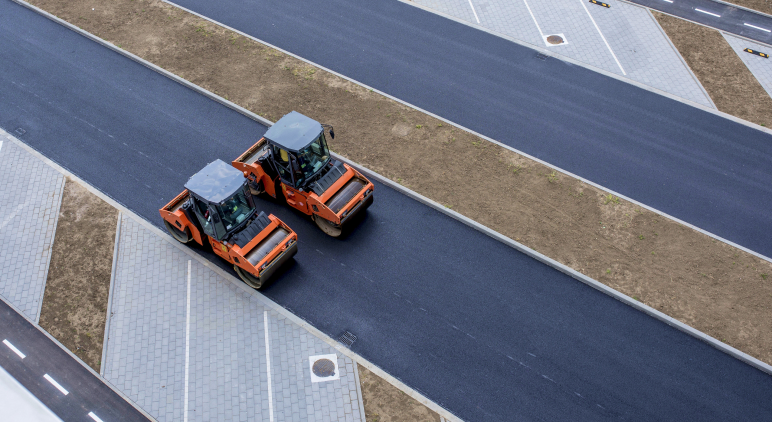
When it’s time to pave a driveway, parking lot, or private road, one of the most common questions homeowners and property managers ask is: “Should I go with premium materials or stick to the basics to save money?“ The answer depends on your goals, but in many cases, higher upfront costs can lead to long-term savings, better performance, and fewer headaches down the line.
Whether you’re working with residential or commercial properties, the long-term value of your paving investment hinges on materials just as much as labor or design. Reputable Asphalt Companies Vermont often emphasize quality materials for a reason—they result in better durability, reduced maintenance, and increased property value.
In this blog, we’ll explore the true cost of paving, the benefits of using high-quality materials, and when it makes the most sense to invest.
The Real Cost of Low-Quality Paving Materials
Opting for cheaper paving materials might seem like a smart move at first. After all, you can lower your initial expenses and possibly get the job done faster. However, cutting corners on materials often leads to long-term issues such as:
1. Premature Cracking and Deterioration
Inferior asphalt mixes or poorly graded aggregates may not handle freeze-thaw cycles, moisture, or heavy loads effectively. Within a few years, cracks, potholes, and surface raveling can appear—leading to additional repair costs and a shorter pavement lifespan.
2. Higher Maintenance Expenses
Low-quality materials are more prone to weathering and damage, requiring frequent sealcoating, patching, and resurfacing. These ongoing costs often surpass the original savings gained from going with a budget mix.
3. Safety Hazards and Liability
A surface that cracks easily or doesn’t drain properly can become a liability. Uneven or broken pavement increases the risk of slips, trips, and vehicle damage, especially in commercial or high-traffic areas.
The Value of High-Quality Paving Materials
Now let’s look at the advantages of investing in high-quality paving materials:
1. Durability and Longevity
Premium asphalt mixes are engineered for performance. They contain stronger aggregates, superior binders, and are carefully formulated to resist temperature changes and heavy traffic. A high-quality asphalt driveway can last 15–20 years with proper maintenance, while cheaper alternatives may only last half as long.
2. Lower Lifetime Costs
Though the upfront price is higher, quality paving materials pay for themselves over time by reducing repair frequency, minimizing downtime, and preventing the need for early replacement.
3. Improved Aesthetics and Curb Appeal
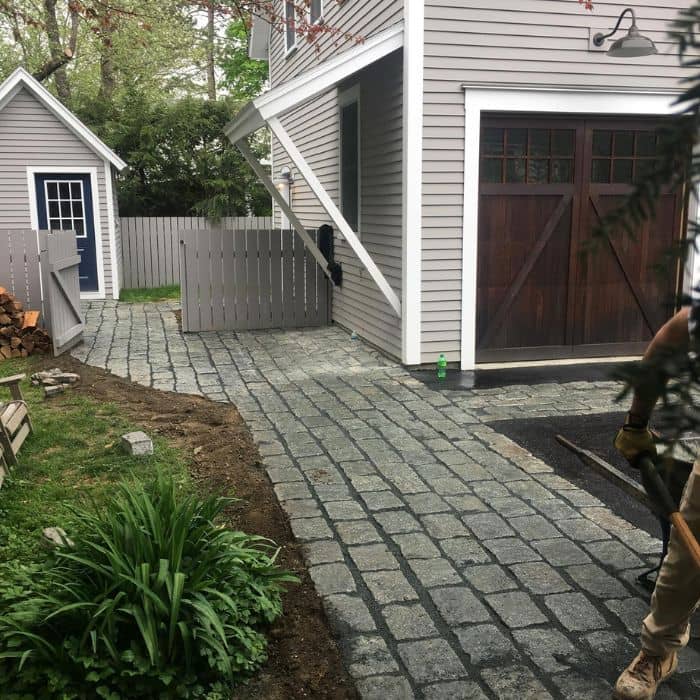
High-end paving materials create smoother, cleaner finishes. Whether you’re a homeowner looking to enhance your curb appeal or a business owner aiming to impress customers, better materials lead to a more professional, polished look.
4. Eco-Friendly Benefits
Some higher-grade asphalt products contain recycled content and are designed to be more sustainable. These eco-conscious materials reduce waste and can improve stormwater runoff performance when paired with proper drainage systems.
What Affects Paving Material Quality?
Not all asphalt is created equal. Here are the key components that determine the quality of paving materials:
1. Aggregate Composition
Aggregates—typically sand, gravel, and crushed stone—make up about 95% of asphalt mix. The type, size, and cleanliness of these materials influence how strong and stable the finished pavement will be.
2. Binder Type
The asphalt binder holds everything together. High-quality binders resist oxidation and brittleness, maintaining flexibility through harsh weather conditions.
3. Mix Design
Custom asphalt mix designs can be tailored to your location, expected traffic load, and weather patterns. Local Asphalt Companies Lebanon NH often adjust mix designs based on New England’s unique seasonal challenges.
4. Production Process
Reliable suppliers use modern equipment and strict quality control during asphalt production. This consistency ensures that every batch meets performance standards and won’t vary in strength or finish.
Comparing Upfront Costs and Long-Term Value
Let’s break down a basic example of cost comparison for a residential asphalt driveway:
Type of Material | Average Lifespan | Initial Cost (per sq. ft.) | Estimated Repairs Over 15 Years | Total Cost (15-Year Period) |
Budget Asphalt | 8–10 years | $3.00–$4.00 | $2.50–$4.00 | $5.50–$8.00+ |
High-Quality Asphalt | 15–20 years | $4.50–$6.00 | $1.00–$2.00 | $5.50–$8.00 |
In many cases, the total cost ends up being similar—but with better quality, you enjoy fewer disruptions and a more reliable surface.
When Should You Choose Premium Paving Materials?
Commercial and High-Traffic Areas
For parking lots, commercial driveways, and loading zones, high-strength asphalt is essential. Heavy vehicle traffic places constant stress on pavement, so using subpar materials here can lead to premature damage and costly liability issues.
Harsh Weather Zones
If you live in areas with dramatic seasonal changes—like Vermont—you need materials that can expand and contract without cracking. Quality asphalt is more flexible and resists weathering.
Long-Term Property Ownership
If you plan to own your property for 10+ years, the long-term savings and performance of premium paving materials outweigh the upfront cost.
High-Value or Historic Properties
Luxury homes, historic districts, or commercial storefronts benefit from premium pavement for aesthetic and functional reasons. Well-laid, attractive pavement adds to the perceived value of your property.
How to Choose the Right Paving Contractor
Even the best materials won’t perform well if installation is poor. That’s why working with an experienced, reputable contractor is just as important as choosing the right mix. Look for the following when vetting asphalt professionals:
- Proven track record with similar projects
- Familiarity with local codes, climate, and soil conditions
- Transparent pricing and written guarantees
- High-quality equipment and crew training
- Use of premium asphalt from trusted suppliers
Leading Asphalt Companies Lebanon NH often conduct thorough site evaluations and provide detailed project plans tailored to your needs and location.
Questions to Ask Before You Sign a Paving Contract
- What type of asphalt mix will you use and why?
- How thick will the pavement be?
- What base preparation is included in the cost?
- What is the warranty on materials and workmanship?
- Do you provide maintenance services after installation?
These questions can reveal whether the company uses high-quality materials and has your long-term interests in mind.
Final Thoughts
When weighing the decision between upfront cost and long-term value, investing in high-quality paving materials is often the smarter choice. It’s not just about aesthetics—durable pavement saves money, time, and stress over its lifespan. From fewer repairs to better resistance against harsh weather, premium materials deliver real, measurable value.
Whether you’re installing a new driveway or resurfacing a commercial lot, working with trusted Asphalt Companies Vermont gives you peace of mind that your investment will last. Quality paving materials may cost more at the start, but they provide a stronger, longer-lasting surface that performs better and protects your property’s value.