

Installing a new driveway is a big decision—one that adds value to your home while improving curb appeal and functionality. However, for many homeowners, the cost of paving can feel overwhelming. The good news? You don’t have to break the bank to get a high-quality driveway. With the right approach, materials, and contractor, affordable paving solutions are well within reach.
In this blog, we’ll explore practical strategies to save money on your driveway installation without sacrificing quality, durability, or style. Whether you’re upgrading from gravel or replacing a worn-out surface, these tips will help you plan smart and spend wisely.
Why Driveway Installation Costs Vary
Before we dive into money-saving tips, it’s important to understand the factors that influence the total cost of a new driveway:
- Driveway Size and Layout: Larger or irregularly shaped driveways require more materials and labor.
- Material Choice: Asphalt, concrete, gravel, and pavers all have different price points and maintenance needs.
- Site Preparation: Grading, drainage, and removing existing surfaces add to the cost.
- Accessibility: Remote or difficult-to-reach properties may involve extra labor or transportation fees.
- Local Climate: In areas with freeze-thaw cycles, like New Hampshire, extra base preparation may be necessary to prevent cracking.
Understanding these variables gives you a better sense of where you can cut costs and where it’s worth investing more.
Choosing the Right Material: Why Asphalt Makes Sense
When comparing paving options, asphalt is often the most cost-effective choice—especially for homeowners in New England. It provides a smooth, durable surface that handles extreme weather well and requires less upfront investment than concrete or stone.
Some key benefits of asphalt include:
- Lower Initial Cost: Asphalt driveways typically cost less per square foot than concrete or pavers.
- Faster Installation: Most asphalt driveways can be completed in just 1–2 days, reducing labor expenses.
- Easy Maintenance: With occasional sealcoating and minor repairs, asphalt surfaces can last 20+ years.
- Flexibility: Asphalt expands and contracts more easily, making it ideal for colder climates.
Many homeowners looking for Asphalt Driveways New Hampshire choose this option for its affordability and weather resistance.
Smart Ways to Save on Your Driveway Installation
Once you’ve settled on asphalt as your material, here are several proven strategies to cut costs while ensuring a long-lasting, attractive finish:
1. Get Multiple Estimates
Start by collecting quotes from at least three reputable paving contractors. This gives you a realistic price range and helps you spot outliers—whether unusually high or suspiciously low. Look for detailed estimates that include:
- Base preparation
- Asphalt thickness
- Drainage solutions
- Project timeline
- Warranty terms
2. Book in the Off-Season
Summer is peak season for driveway paving, which means prices can surge due to high demand. If possible, schedule your project in early spring or late fall. Some contractors offer discounts during these slower months.
3. Consider a Smaller Footprint
Reevaluate how much driveway you actually need. Can you make the layout more compact? A shorter or narrower driveway means less material and labor—resulting in immediate savings.
4. Reuse or Recycle Old Materials
If your existing driveway is asphalt, ask your contractor if the old surface can be reclaimed or reused in the base layer. This eco-friendly approach can reduce material costs and minimize waste.
5. Prepare the Site Yourself
For DIY-inclined homeowners, clearing the driveway area, removing vegetation, or moving obstacles before the crew arrives can shave hours (and dollars) off your total.
6. Choose a Standard Finish
Decorative finishes, stamping, or tinting may look great—but they come at a premium. A standard blacktop surface is more budget-friendly and still delivers a clean, polished look.
What Not to Cut Corners On
While saving money is important, there are a few areas where cutting corners can backfire:
- Subbase Preparation: Skimping here can lead to sinking, cracking, and water pooling later on.
- Thickness: Ask for a minimum of 2–3 inches of asphalt after compaction for residential driveways.
- Drainage: Poor water management will erode your investment over time.
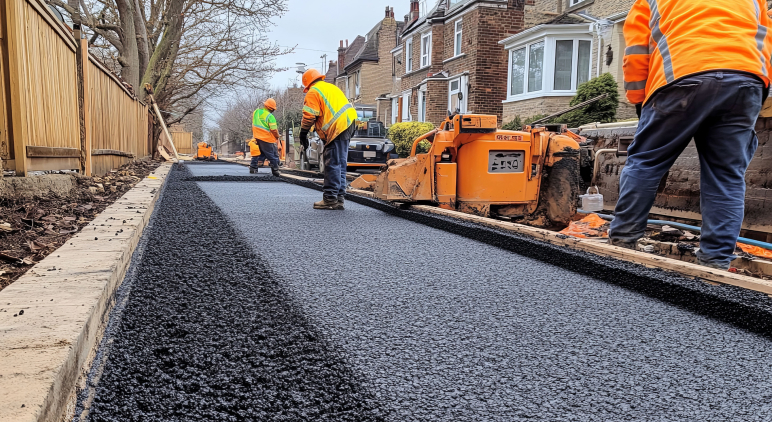
- Professional Installation: A properly paved driveway requires specialized equipment and experienced operators. Avoid fly-by-night offers that seem too good to be true.
Spending a bit more upfront in these areas ensures a longer-lasting, trouble-free surface—saving you more in the long run.
Maintenance Tips to Extend Lifespan (and Value)
Even after your driveway is installed, ongoing maintenance plays a big role in keeping costs low over time. Here’s how to protect your investment:
- Sealcoat Every 2–3 Years: This protects against moisture, UV rays, and wear from vehicles.
- Fix Cracks Promptly: Small cracks can widen with time and weather exposure.
- Avoid Heavy Loads: Don’t park large machinery or construction vehicles unless your driveway is designed for it.
- Keep It Clean: Regularly sweep debris and hose down the surface to prevent staining or buildup.
By staying proactive, you’ll stretch your driveway’s life and reduce major repair expenses.
Why Hiring a Local Expert Matters
Choosing a local paving company ensures that your contractor understands regional soil conditions, weather challenges, and permitting requirements. When looking for trusted Asphalt Companies New Hampshire, consider the following:
- Experience: Look for contractors with a proven track record in both residential and commercial projects.
- Local References: Ask to see previous work or read online reviews from nearby towns.
- Transparency: A reputable contractor will explain the process, costs, and materials without pressure.
- Warranty: Ensure they offer a workmanship guarantee in writing.
Local companies also tend to provide better customer service and faster response times for maintenance or warranty claims.
Cost Breakdown: What to Expect
While pricing can vary, here’s a general estimate for asphalt driveway installation in New Hampshire:
Driveway Size | Estimated Cost Range |
Small (1 car, ~400 sq ft) | $2,000 – $3,000 |
Medium (2 car, ~600–800 sq ft) | $3,500 – $5,500 |
Large (multiple vehicles or curved layout) | $6,000 – $10,000+ |
These prices include site prep, base material, asphalt paving, and labor—but not extras like drainage upgrades or decorative finishes.
Final Thoughts: Quality and Affordability Can Go Together
You don’t have to sacrifice quality to install an affordable, long-lasting driveway. By understanding your material options, comparing estimates, and working with experienced professionals, you can find a paving solution that suits your home and your budget.
Whether you’re planning a new install or replacing a worn surface, smart planning and the right contractor will help you get the most for your money. And when it’s time to make that decision, choose a team that values transparency, quality, and customer satisfaction—without inflating the price tag.